Your Rights
Representative governments are established to protect the inalienable rights of their citizens, not take them away. Unfortunately, some Virginia representatives believe that they can strip you of your rights and take control of every aspect of your life.
-
Purpose: Prohibits the sale, transfer, or purchase of defined “assault firearms” and specifid firearm magazines.
What HB217 would do
Prohibits the importation, sale, manufacture, purchase, or transfer of “assault firearms.”
Bans certain ammunition feeding devices (so called “high-capacity magazines”) under the bill’s definitions.
Violations would be treated as a Class 1 misdemeanor, with up to one year in prison and a fine of $2,500 for each item.
A person convicted under the law would be prohibited from purchasing or possessing a firearm for three years after the conviction.
Firearms that the bill generally classifies as “assault firearms”:
The bill specifically goes after semi-automatic firearms (rifles, handguns, shotguns) that can accept a detachable magazine and have certain features, such as:
Pistol grips
Threaded barrels (often used for muzzle devices and sound mitigation devices)
Folding, telescoping, or adjustable stocks
Certain muzzle devices
Other so called “military-style” features commonly used in legislative definitions.
Because of those criteria, the definition can include many semi-automatic rifles, pistols, and shotguns that have those features.
Magazine restrictions on “large-capacity ammunition feeding devices”:
These are generally defined as magazines capable of holding more than 10 rounds of ammunition.
The bill prohibits importing, selling, manufacturing, purchasing, or transferring those magazines.
In Other Words: Democrats want to go after your right to own semi-automatic rifles, pistols, and shotguns while also limiting magazine capacity.
Why It’s Bad: HB217 and SB749 restricts the rights of law-abiding citizens to own commonly used firearms. The bills focus on cosmetic features of firearms rather than addressing the root causes of violent crime and would primarily affect responsible gun owners rather than criminals who ignore gun laws anyway. The laws would also set a dangerous precedent for further limitations and infringements on the Second Amendment to the United States Constitution.
The bills violate the Second Amendment, the Fourth Amendment and the Supremacy Clause of the United States Constitution, while also violating Article I, Section 13 of the Virginia Constitution. In summary, these unconstitutional bills will reduce individual freedoms without improving public safety. To the contrary, these bills will leave law abiding citizens vulnerable to the predations of criminals that already don’t follow laws.
Current Status: HB217 has been approved in the House and is moving forward for approval by the Senate and Governor Spanberger. SB749 has been approved in the Senate and is moving forward for approval by the House and Governor Spanberger.
Bill Author(s):
Dan Helmer - Contact
Saddam Azlan Salim - Contact
-
Purpose: This bill creates a statewide Virginia Firearm Give-Back Program administered by the Virginia Department of State Police.
What the bill does
Directs the Department of State Police to establish a Firearm Give-Back Program where individuals can voluntarily surrender firearms.
State Police regional division headquarters would serve as drop-off locations for firearms turned in by the public.
The surrendered firearms would be destroyed by the Department of State Police.
The bill also creates a Virginia Firearm Give-Back Fund to support the development and operation of the program.
Local law-enforcement agencies may choose to participate and run their own give-back or buy-back programs
In Other Words: Democrats want your guns, whether you’re a law-abiding citizen or not. This bill sets the groundwork for them to implement a mandatory buy-back or give-back program where you are required to turn in your firearms.
Why It’s Bad: This bill will waste public resources while doing little to actually reduce crime. The bill establishes a statewide firearm “give-back” program where individuals can voluntarily surrender firearms that will then be destroyed by the state. However, the people who participate in voluntary gun turn-in programs are usually law-abiding citizens rather than criminals, meaning the policy is unlikely to remove guns from those most likely to commit violence. Instead of spending taxpayer money on collecting and destroying legally owned firearms, the state should focus on enforcing existing laws and targeting illegal gun trafficking and violent offenders.
Additionally, when Democrats ultimately decide that they would like to refine the “voluntary program” to make it mandatory, only law-abiding citizens would be disarmed, and those who do not comply would be made into criminals. Mandatory buy-back programs are a clear violation of the Second and Fourth Amendments to the United States Constitution, the Supremacy Clause of the Constitution, and Article I, Section 13 of the Virginia Constitution.
Current Status: The bill has advanced out of committee in the House. It must be approved by both chambers of the Virginia General Assembly and be signed by the governor to become law.
-
Purpose: These bills seek to establish “standards of responsible conduct” for firearm industry members (manufacturers, distributors, and sellers).
They require the firearm companies to implement so called “reasonable controls” designed to limit gun violence:
Prevent selling firearms to straw purchasers, traffickers, or prohibited persons.
Reduce the theft or loss of firearms from businesses.
Ensure compliance with state and federal gun laws.
Avoid marketing or practices that promote illegal use of firearms.
The bills also create a civil cause of action, meaning:
The Virginia Attorney General or local attorneys could sue firearm companies that violate the standards.
Individuals harmed by those violations could also file lawsuits seeking damages or court orders.
In Other Words: Instead of focusing on the criminal who committed the act, Democrats want to go after companies in the firearm industry and make it easier to sue them if a firearm they made or sold was used in a crime.
Why It’s Bad: HB21 and SB27 will expose lawful firearm manufacturers and dealers to broad lawsuits even when they follow existing laws. The bills attempt to bypass federal protections for the firearm industry and unfairly hold businesses responsible for crimes committed by third parties.
It would essentially be the same as suing a car company, a knife maker, or a tool company if their products were used by a criminal to commit a crime. The criminal who committed the act is where the blame should rest, not on businesses and their employees.
If passed, the threat of constant litigation would drive gun manufacturers and retailers out of the state or worse out of business. They would also represent further limitation on the rights protected by the Second Amendment to the United States Constitution.
Current Status: Both bills are moving forward and will be presented to Governor Spanberger for approval.
-
Purpose: Prohibits the possession, transfer, and manufacture of firearms (including unfinished frames and receivers) without a valid serial number.
In Other Words: HB40 and SB323 aim to ban or tightly regulate unserialized “ghost guns” by requiring serial numbers on firearms and key components.
Why It’s Bad: These bills would criminalize hobbyists and lawful gun owners who build firearms for personal use. People with criminal intent will just ignore the law, while responsible citizens could face penalties for possessing previously legal firearm parts. The bills also expand government regulation without clearly reducing crime. For these reasons, the measures may restrict lawful firearm ownership without addressing the root causes of violence, which are not the objects, but rather the people that commit the criminal act.
Current Status: Both bills are moving forward and will be presented to Governor Spanberger for approval.
-
Purpose: SB643 would require Virginians to apply for and receive a state-issued license before they can purchase a firearm from a dealer.
What SB643 would do:
Requires anyone buying a firearm from a licensed dealer to first obtain a “firearm purchaser license” from the Virginia Department of State Police.
The purchaser must pass a background check and meet eligibility requirements before the license is issued.
The license would generally be valid for five years.
Applicants must also complete a firearm safety or training course within the previous two years.
Certain people could not obtain the permit, including those under 21 or prohibited from possessing firearms under state or federal law.
In Other Words: Democrats want to go after your right to own firearms by adding further restrictions to the purchase process.
Why It’s Bad: Requiring a government-issued license before purchasing a firearm adds unnecessary barriers for law-abiding citizens exercising their rights under the Second Amendment to the United States Constitution. Criminals who obtain guns illegally will continue to ignore licensing requirements, while responsible citizens must go through additional bureaucracy and costs. The system will also create delays or be used to further restrict firearm ownership through administrative rules.
The bill violates the Second Amendment and the Supremacy Clause of the United States Constitution, while also violating Article I, Section 13 of the Virginia Constitution. In summary, the unconstitutional bill will reduce individual freedoms without improving public safety.
Current Status: SB643 has already passed the Virginia Senate and is currently being debated in the House of Delegates, but it still must pass the House and be signed by the governor before becoming law.
-
Purpose: SB115 deals with concealed handgun permits and reciprocity with other states—the rules about when Virginia recognizes concealed carry permits issued elsewhere.
What the bill would do:
The bill changes how Virginia recognizes concealed handgun permits from other states.
It directs the Virginia Department of State Police to determine whether another state’s permit requirements are “substantially similar” to Virginia’s standards before recognizing that permit.
The bill also prevents Virginia residents (with limited exceptions) from using a concealed handgun permit issued by another state to carry concealed in Virginia; they would generally need a Virginia-issued permit instead.
In Other Words: Democrats will empower the Virginia State Police to strip recognition of out-of-state permits and further restrict the Second Amendment rights of citizens.
Why It’s Bad: SB115 restricts lawful concealed carry by people who already hold valid permits from other states. The bill adds unnecessary barriers for responsible gun owners while doing little to stop criminals, who typically do not follow permitting laws anyway. The changes would also reduce reciprocity with other states, making it harder for Virginians to carry legally when traveling. For these reasons, the bill will limit rights protected by the Second Amendment to the United States Constitution without clearly improving public safety.
Current Status: SB115 has already passed the Senate and is currently in the House committee process, but it has not yet passed the House or been signed by the governor, so it is not law yet.
-
Purpose: HB262 & SB272 seek to further restrict where firearms can be carried in state-owned buildings, including public colleges and universities.
What the bills do:
They narrow an existing exemption that previously allowed broader firearm possession on property owned by public institutions of higher education.
Under the bills, firearms could generally only be carried inside certain university buildings if they are part of an approved curriculum or activity (for example, ROTC or other authorized programs).
The use would also need approval from the institution’s law-enforcement or public-safety unit.
In Other Words: Instead of addressing the root cause of violent crime, Democrats will further restrict the Second Amendment rights of law-abiding citizens.
Why It’s Bad: Both bills further restrict where law-abiding citizens can carry firearms, even if they have valid permits. These limits primarily affect responsible gun owners while individuals intending to commit crimes won’t follow location-based restrictions. Expanding “gun-free zones” will leave law-abiding citizens unable to defend themselves in certain public buildings or campuses which will reduce personal safety while limiting rights protected by the Second Amendment to the United States Constitution.
Current Status: SB272 is a companion bill that supercedes HB626 and has passed both the House and Senate. It is currently awaiting Governor Spanberger’s approval.
-
Purpose: HB871 & SB348 are firearm storage companion bills self described as “secure storage” or “child access prevention” laws.
What the bills do:
Requires a person who owns a firearm to store it in a locked container or secured device if they know a minor (under 18) or a person prohibited from possessing firearms is present in the home.
The firearm and ammunition must be kept inaccessible to that minor or prohibited person.
Violating the requirement would be a Class 4 misdemeanor which carries a penalty of $250 per instance.
Firearm dealers must also post notices informing buyers of the storage requirement and penalties.
In Other Words: They require firearms to be securely stored in homes where minors or prohibited persons are present, with criminal penalties for violations.
Why It’s Bad: Both bills impose government mandates on how law-abiding citizens must store their firearms inside their own homes. These requirements would make it harder for responsible gun owners to access a firearm quickly for self-defense during an emergency. The laws would also criminalize otherwise responsible people if a firearm is temporarily unsecured. These bills will further limit rights protected by the Second Amendment to the United States Constitution.
Current Status: SB348 and HB871 have been approved by both chambers and are currently awaiting Governor Spanberger’s approval.
-
Purpose: HB110 & SB496 are firearm storage companion bills that restrict how handguns must be stored in unattended vehicles.
What the bills do:
Requires that a handgun left in an unattended vehicle be secured in a locked container (such as a locked hard-sided container) that is permanently mounted to the vehicle.
Failing to properly secure the handgun would be a Class 4 misdemeanor that would result in a civil penalty of up to $500.
The vehicle could also be towed for “safekeeping.”
In Other Words: Instead of addressing actual crime and the criminals that commit them, Democrats want to criminalize law-abiding citizens and penalize them if their firearms are stolen.
Why It’s Bad: Both bills impose government mandates on how law-abiding citizens must store their firearms inside their own vehicles. These requirements create new penalties for law-abiding gun owners without addressing the root causes of crime. Responsible citizens would face fines or charges simply for how a firearm is stored in their own vehicle. Criminals are unlikely to follow storage laws in the first place and those who break into cars are unlikely to be deterred by a storage box. These bills will further burden responsible gun owners while doing little to improve public safety or reduce theft.
Current Status: SB496 has passed the Senate and is moving forward in the House process. HB110 is still moving through the House legislative process.
-
Purpose: This bill deals with “substantial risk orders,” which are often called “red-flag laws,” which allow courts to temporarily remove firearms from a person who is considered a danger to themselves or others without due process.
What HB901 does:
Expands who can petition a court for a substantial risk order.
Expands court jurisdiction, allowing juvenile and domestic relations district courts and general district courts (not just circuit courts) to handle these orders.
Clarifies rules about constructive possession of firearms while an order is in effect.
These orders can temporarily require a person to surrender firearms if a judge determines they pose a substantial risk of harm without due process.
In Other Words: Instead of addressing the actual root of crime (including mental illness) and the criminals that commit them, Democrats will expand Virginia’s existing red-flag law by allowing more courts and petitioners to request temporary firearm removal orders without due process for individuals considered a serious risk.
Why It’s Bad: Expanding red-flag laws will allow firearms to be taken from individuals without sufficient due process. Someone could lose their rights based simply on accusations or temporary court orders before they have a full opportunity to defend themselves. Expanding who can petition for these orders will increase the risk of misuse or false claims and will threaten rights protected by the Second Amendment and Fourth Amendment to the United States Constitution as well as due process protections under the Constitution. There is precedent showing that once seized, the process to have your firearms returned to you can take years and cost thousands of dollars with no compensation for the expense.
Current Status: HB901 has been approved in both chambers and is moving through the final legislative steps before becoming law. Governor Spanberger is expected to approve this legislation.
-
Purpose: These companion bills propose a new tax on firearms and ammunition sales in Virginia.
What the bills do:
Imposes an 11% excise tax on the retail sale of firearms and ammunition by firearm dealers, manufacturers, or ammunition vendors.
The tax would apply to gross receipts from those sales, meaning total revenue before deductions.
Revenue from the tax would be directed to government programs aimed at gun-violence prevention and intervention in Virginia.
In Other Words: Instead of addressing the actual root cause of crime (including mental illness) and the criminals that commit them, Democrats will apply an additional tax on top of sales tax to make it more expensive for law-abiding gun owners to purchase firearms. The proceeds from those taxes would go into government programs that would pay salaries to their friends and do nothing tangible to reduce violent crime.
Why It’s Bad: These bills would place a special tax on a constitutional right. Adding an 11% tax on firearms and ammunition would disproportionately burden law-abiding citizens who wish to exercise their rights under the Second Amendment to the United States Constitution. Criminals who obtain firearms illegally would not be affected by the tax, meaning that the bills would punish responsible gun owners while doing little to reduce crime.
Current Status: These bills have stalled in their respective houses but are expected to be re-introduced in the 2027 session.
-
Purpose: The goal of the bill is to extend existing election-security and conduct rules to early-voting sites, ensuring that the same protections and restrictions that apply at polling places also apply to locations where people vote early in person.
What the bill does
Expands existing polling-place conduct rules so they also apply to locations used for in-person absentee voting.
Applies restrictions on certain activities within 100 feet of those voting locations, including certain election-related conduct.
Addresses the possession of firearms within 100 feet of locations used for certain voting activities, adding penalties for violations
In Other Words: The bill expands election-day conduct rules—including firearm restrictions near voting locations—to also apply to early in-person absentee voting sites.
Why It’s Bad: This bill expands firearm restrictions around voting locations and early-voting sites, which limits the rights of lawful gun owners. Law-abiding citizens who carry firearms legally are not the cause of voter intimidation or election problems. Expanded restrictions will create confusion about where firearms are allowed (in parked vehicle?), increasing the risk that responsible people could unknowingly violate the law. The bill will further restrict rights protected by the Second Amendment to the United States Constitution without clearly improving election security, because criminals don’t follow the law anyway.
Current Status: HB909 passed the House and is awaiting action in the Senate, so it has not yet become law.
-
Purpose: This bill would prohibit certain people convicted of misdemeanor hate crimes from possessing weapons. Specifically, if someone is convicted of assault or assault and battery where the victim was intentionally targeted because of characteristics such as race, religion, gender, disability, sexual orientation, or national origin, they would not be allowed to:
possess or transport firearms or firearm ammunition,
possess stun weapons or explosives, or
carry a concealed weapon.
Violating this restriction would be treated as a Class 1 misdemeanor, subject to imprisonment of 12 months and a fine of $2,500.
In Other Words: It would ban people convicted of certain “hate-motivated” assault or assault and battery crimes from possessing weapons, including firearms and ammunition.
Why It’s Bad: This bill would no doubt be used to unfairly restrict constitutional rights based on a misdemeanor conviction rather than a felony. It would permanently remove someone’s ability to possess firearms for a lower-level offense which would be excessive and would conflict with Second Amendment protections. Furthermore determining whether a crime was motivated by bias is highly subjective, and would no doubt lead to inconsistent enforcement. Existing assault laws already punish violent behavior without adding additional firearm restrictions.
Current Status: The bill is still being considered by a committee and has not yet been voted on by the full House of Delegates.
The United States Bill of Rights is the first ten amendments to the United States Constitution, which was ratified in 1791. These amendments were created to protect individual freedoms (inalienable rights) and limit the power of the federal government, because many Americans feared the new government could become too powerful and violate citizens’ rights.
The First Amendment
“Congress shall make no law respecting an establishment of religion, or prohibiting the free exercise thereof; or abridging the freedom of speech, or of the press; or the right of the people peaceably to assemble, and to petition the Government for a redress of grievances.”
What it means:
The First Amendment to the United States Constitution represents a core protection against government interference in individual freedom. People should be free to express their ideas, practice religion, publish opinions, assemble peacefully, and criticize the government without restriction or punishment by the state.
The First Amendment is a fundamental safeguard that keeps government power limited and protects a free marketplace of ideas. Protecting speech—even speech that is unpopular or controversial—is essential to maintaining a free society.
The Second Amendment
“A well regulated Militia, being necessary to the security of a free State, the right of the people to keep and bear Arms, shall not be infringed.”
What it means:
The Second Amendment to the United States Constitution protects an individual’s fundamental right to own and carry firearms. This right allows citizens to defend themselves, their families, and their property, and also serves as a safeguard against tyranny by ensuring that the people retain the means to resist an overreaching government.
The First Amendment is a critical part of the United States Bill of Rights, intended by the founders to preserve personal liberty and maintain a balance of power between citizens and the state. Any law proposed by the state or federal government that restricts, violates or interferes with the people’s right to keep and bear arms is an infringement upon that right.
The Third Amendment
“No Soldier shall, in time of peace be quartered in any house, without the consent of the Owner, nor in time of war, but in a manner to be prescribed by law.”
What it means:
The Third Amendment to the United States Constitution represents protection from government intrusion into private life and property. It reinforces the idea that the government cannot forcefully enter the home of a citizen or house soldiers in their homes without consent, especially in times of peace.
This amendment is part of a broader principle in the United States Bill of Rights: the government should be limited and individuals should have strong rights to privacy, property, and personal autonomy.
The Fourth Amendment
“The right of the people to be secure in their persons, houses, papers, and effects, against unreasonable searches and seizures, shall not be violated, and no Warrants shall issue, but upon probable cause, supported by Oath or affirmation, and particularly describing the place to be searched, and the persons or things to be seized.”
What it means:
The Fourth Amendment to the United States Constitution is a crucial protection of personal privacy and property against government intrusion. It means the government cannot search a person, their home, or their belongings without probable cause and a warrant, preventing arbitrary or abusive policing.
This amendment is an essential safeguard in the United States Bill of Rights, ensuring that the state cannot monitor, search, or seize (take) your property without strong legal justification.
The Fifth Amendment
“No person shall be held to answer for a capital, or otherwise infamous crime, unless on a presentment or indictment of a Grand Jury, except in cases arising in the land or naval forces, or in the Militia, when in actual service in time of War or public danger; nor shall any person be subject for the same offence to be twice put in jeopardy of life or limb; nor shall be compelled in any criminal case to be a witness against himself, nor be deprived of life, liberty, or property, without due process of law; nor shall private property be taken for public use, without just compensation.”
What it means:
The Fifth Amendment to the United States Constitution protects individuals from abuses of government power within the legal system. It ensures that the government cannot force someone to testify against themselves, punish someone twice for the same crime, or take a person’s life, liberty, or property without due process of law.
It is a key safeguard in the United States Bill of Rights that protects citizens from unfair prosecution and unjust government seizure (taking) of property.
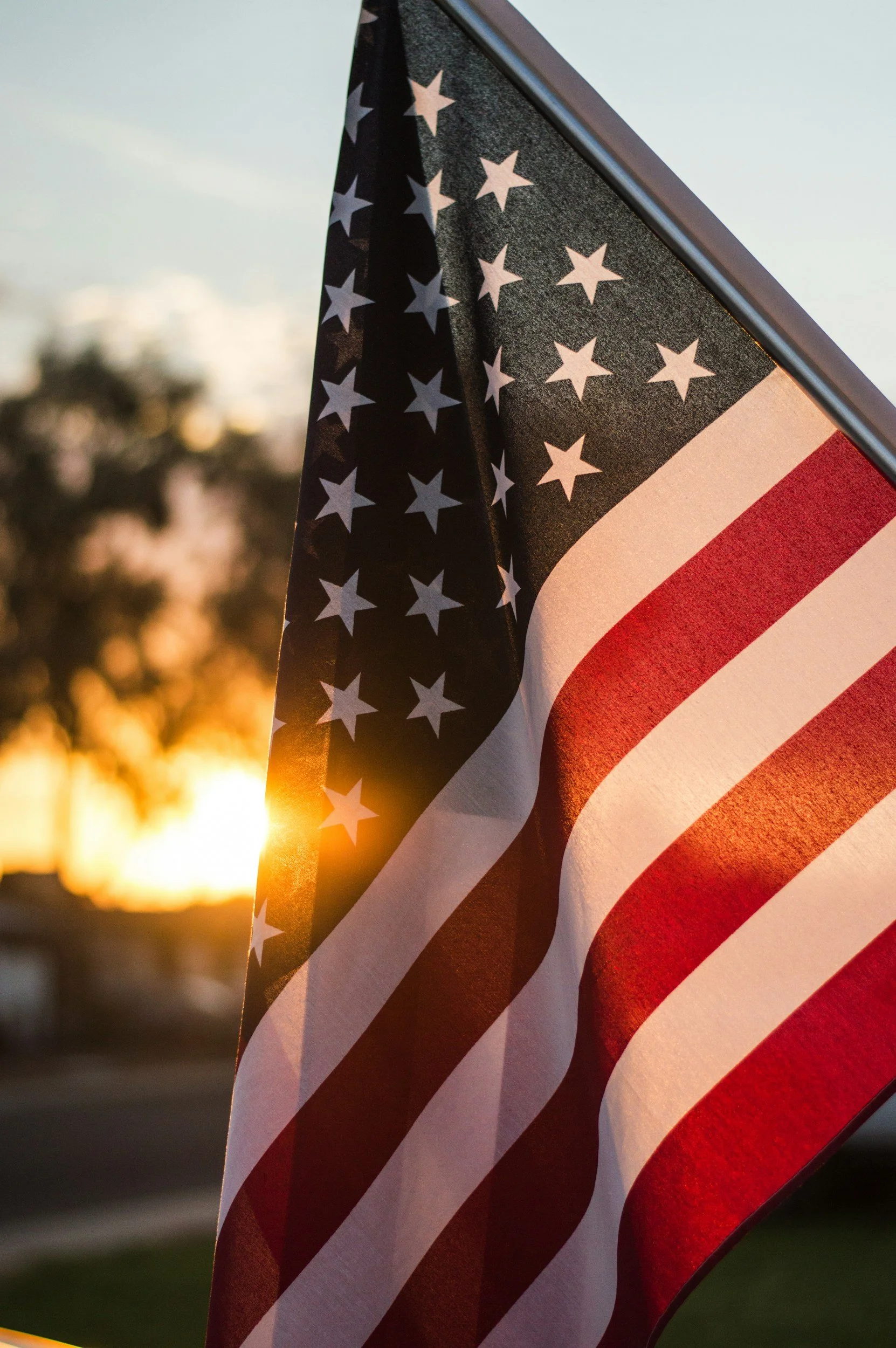
The Supremacy Clause is part of Article VI of the United States Constitution. It establishes that federal law is the highest law of the land, meaning it takes priority over conflicting state laws. In other words, no state can enact a law that violates or is in conflict with federal laws or the U.S. Constitution.
The full text of Article VI, Clause 2 reads:
“This Constitution, and the Laws of the United States which shall be made in Pursuance thereof; and all Treaties made, or which shall be made, under the Authority of the United States, shall be the supreme Law of the Land; and the Judges in every State shall be bound thereby, any Thing in the Constitution or Laws of any State to the Contrary notwithstanding.”
What it means in more detail:
The U.S. Constitution, federal laws, and treaties are supreme over state laws.
If a state law conflicts with federal law, the federal law prevails.
State judges must follow federal law even if state law says otherwise.
Article I, Section 13 of the Constitution of Virginia protects the right to bear arms and addresses the role of militias.
The full text of Article I, Section 13 reads:
“That a well regulated militia, composed of the body of the people, trained to arms, is the proper, natural, and safe defense of a free state; therefore, the right of the people to keep and bear arms shall not be infringed; that standing armies, in time of peace, should be avoided as dangerous to liberty; and that in all cases the military should be under strict subordination to, and governed by, the civil power.”
What it means in more detail:
The people have a right to keep and bear firearms.
A militia made up of the people is seen as the best defense of a free state.
Standing armies in peacetime are viewed as a potential threat to liberty.
The military must always remain under civilian authority.
What can You do today?
Stay informed and be active. Join the thousands of Virginians that are refusing to give up their state to destructive policies.
Sign a petition, contact your representatives, share with others, vote on propositions and peacefully protest. Virginia is worth saving.